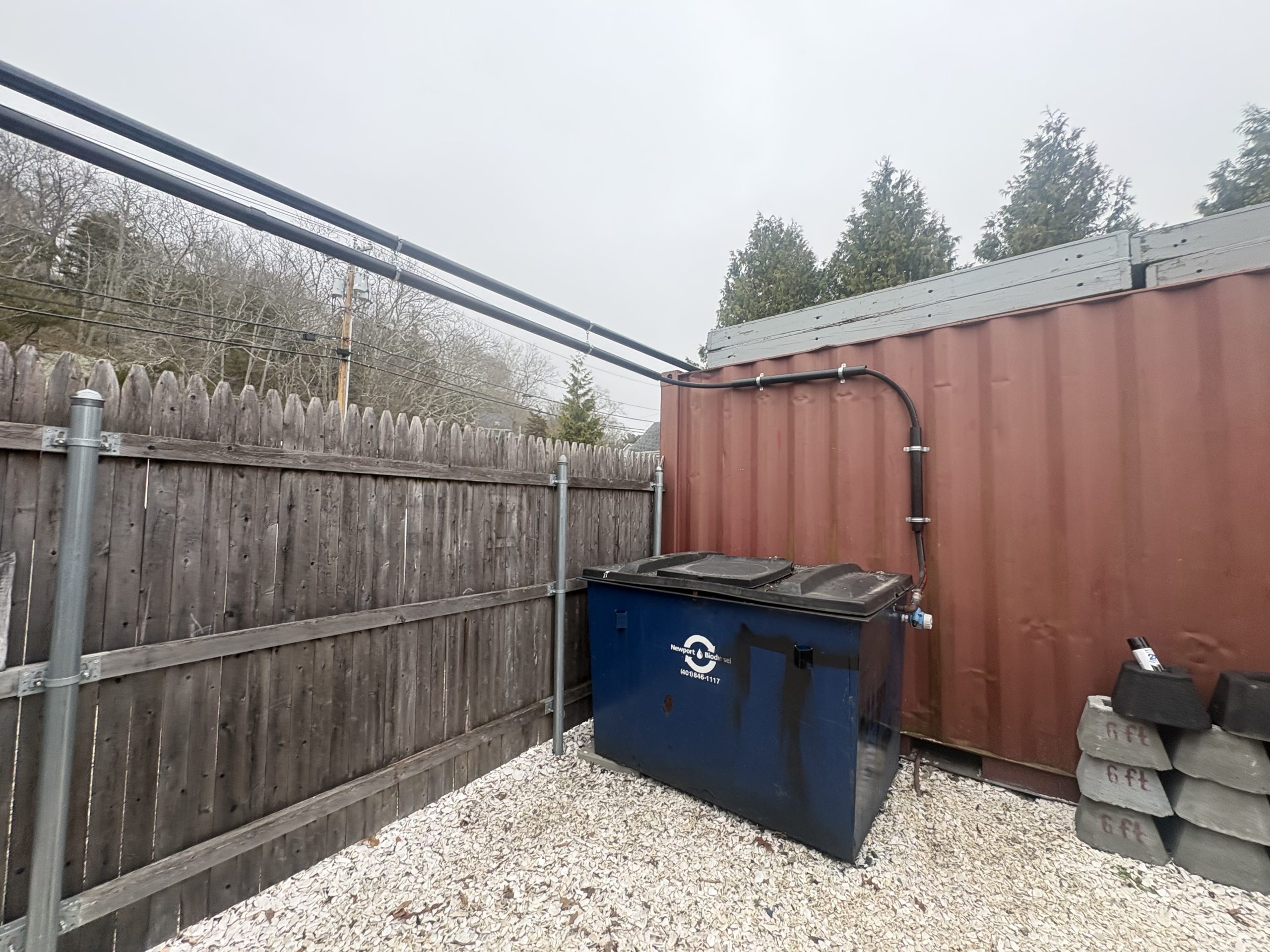
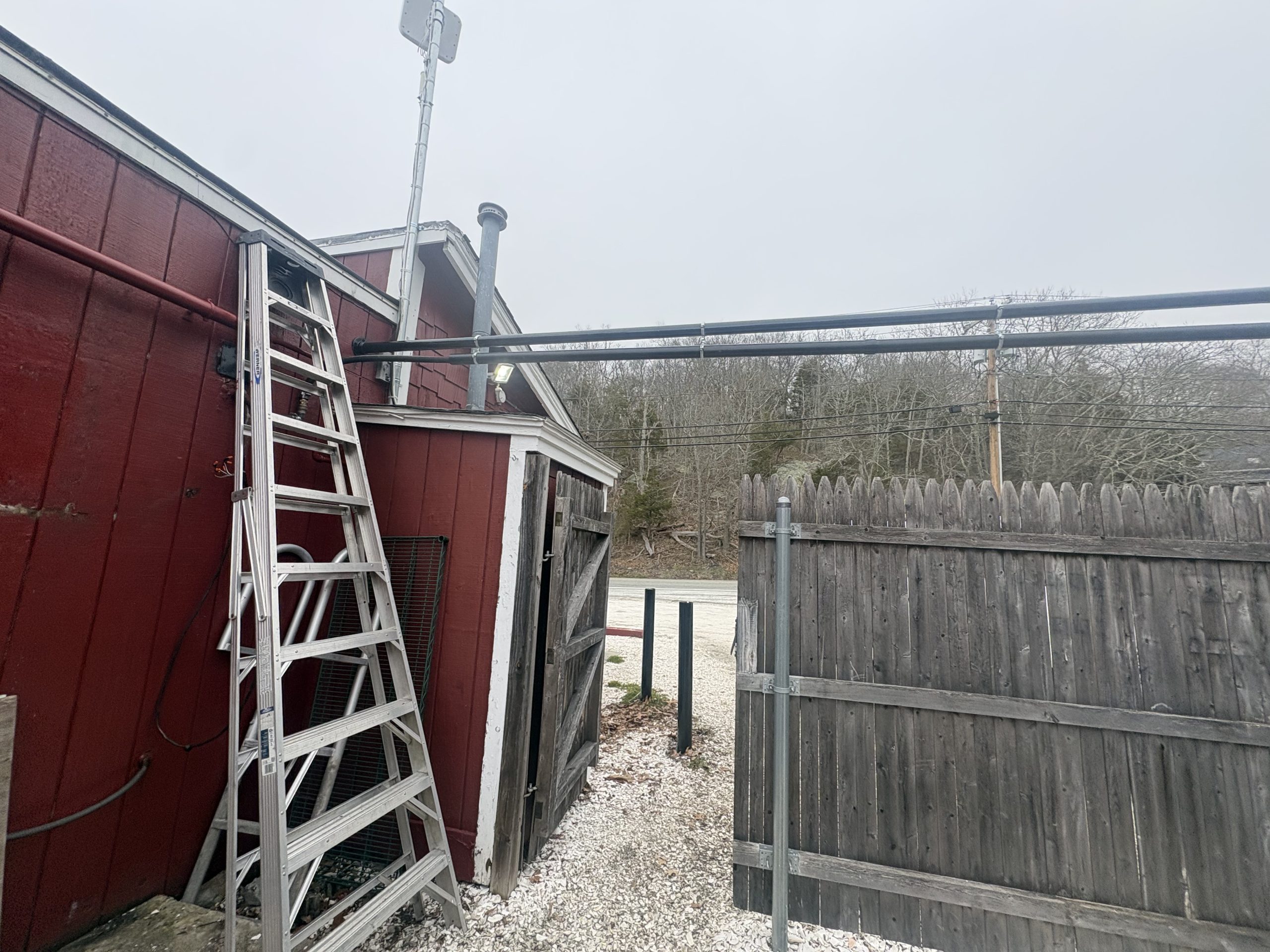
I installed a grease trap for a seafood restaurant, which sounds boring until you remember what seafood grease smells like when it has been sitting around. Then it becomes very serious.
The point of the grease trap is simple. It catches fats, oils, grease, and food solids before they reach the main drainage system. Restaurants produce a lot of that mess, especially seafood places. If it goes straight into the pipes, the pipes eventually fight back.
The first step was making sure the trap was the right size. It had to handle the amount of water coming from the kitchen sinks without getting overwhelmed. If the unit is too small, grease does not have enough time to separate from the water. Then you basically installed an expensive box that does nothing. I try to avoid that when possible.
After that, I set the grease trap in place and lined up the inlet and outlet pipes. The heights had to be right so the water could move through the unit properly. Grease needs time to rise to the top while cleaner water exits through the outlet. Plumbing is mostly gravity, patience, and realizing you measured something wrong.
I also made sure there was proper access for cleaning. This matters because grease traps need regular maintenance. They are not magic. They are disgusting containers with a job. If nobody cleans them, they clog, smell awful, and become everyone’s problem.
The piping and venting had to be done carefully too. The system needed airflow so it would drain correctly and not build pressure or odors. The covers and cleanouts also had to seal tightly, because a seafood restaurant already has enough smells going on. Sewer gas does not need to join the team.
Before the system was put into use, I checked for leaks and made sure the connections were solid. The goal was to keep greasy wastewater moving through the interceptor without letting grease destroy the drainage system.
It was not glamorous work. It was wet, awkward, and mildly soul crushing. But when it works, the grease stays where it belongs, the drains keep moving, and nobody has to explain to a restaurant owner why the kitchen smells like low tide and regret.